Bach Festival 10 | March 2026

March 5 - 11,2026

The Bach Festival, presented by the Jerusalem Baroque Orchestra, marks this year a decade of activity – ten years of a vibrant and living encounter with the music of Johann Sebastian Bach. As the only event in Israel to celebrate Bach’s birthday annually, in keeping with a tradition observed in many of the world’s cultural capitals, the festival brings leading artists from Israel and abroad to Jerusalem and offers a rich and in-depth exploration of Bach’s musical legacy.

The festival shows

Introduction to the Magnificat
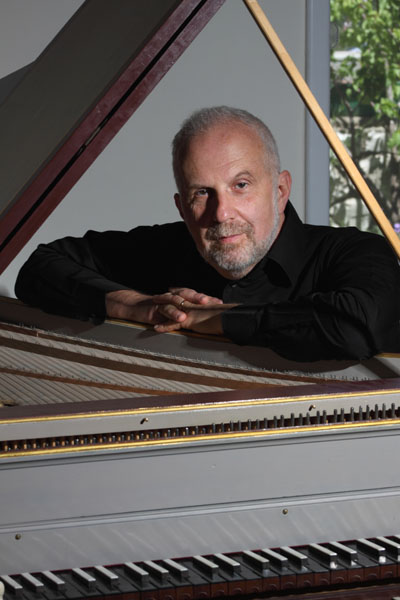
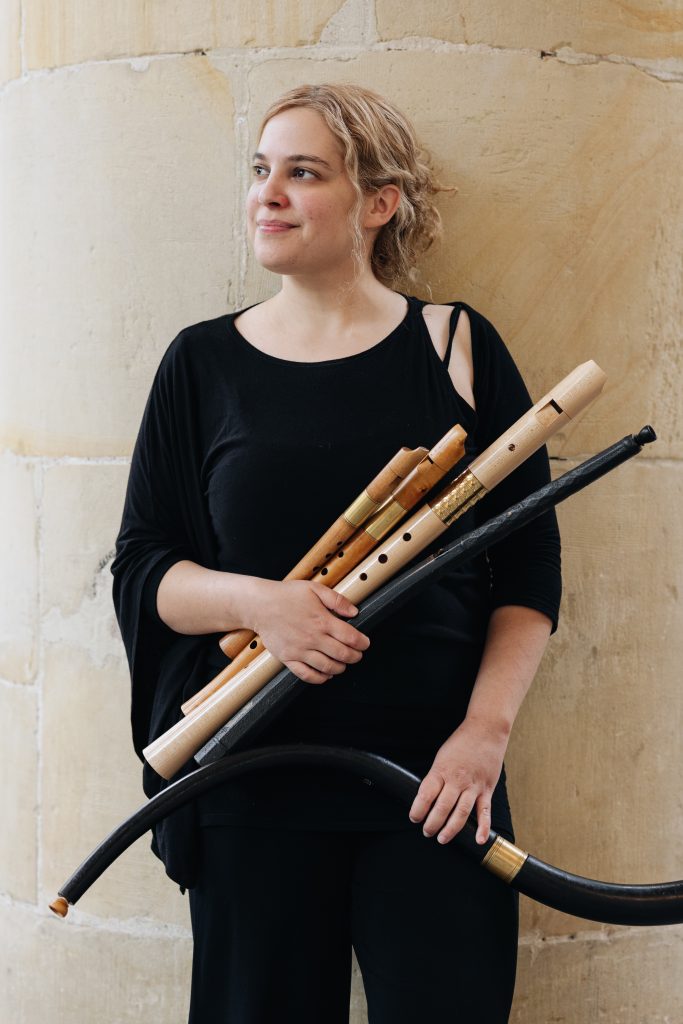
Alma Meir-Nir – Winds & Musical Direction Doron Schleifer – Countertenor Nevo Weiner – Tenor Noam Gal – Violin Liron Rinat – Sackbut Sonya Binnenfeld-Navot – Viola da Gamba Guy Pardo – Organ & Harpsichord

Johann Sebastian Bach – Chorale Prelude, BWV 648
Nicolaus de Random – Magnificat anima mea Dominum
Johann Hermann Schein – Magnificat anima mea, a 3
Dieterich Buxtehude – Magnificat in the Ninth Tone
Orlando di Lasso – Encore que col partire / Magnificat in the Fourth Tone (excerpts)
Erhard Kindermann – Magnificat in the Eighth Tone
Heinrich Schütz – Meine Seele erhebt den Herren, SWV 344
Johann Caspar Kerll – Keyboard Modulations on the Magnificat in the Fourth Tone
Samuel Scheidt – Christmas Magnificat, SSWV 299
Johann Pachelbel – Magnificat Fugue
Michael Hoffmann – Kleines Magnificat *
Johann Sebastian Bach – Aria and Chorale from the cantata Meine Seele erhebt den Herren, BWV 10

* Formerly attributed to J. S. Bach and to Telemann

The Magnificat – a hymn of praise – may well be one of the most frequently set texts in the history of Western music. During the Renaissance and Baroque periods, many composers did not content themselves with a single setting, but published entire books of Magnificats, sometimes numbering in the dozens or even hundreds. These works were written in various languages and styles, for different liturgical occasions, and at times even as audition pieces. Although the Magnificat is a sacred text, it was not uncommon in the Renaissance and early Baroque to find settings based on well-known melodies or popular madrigals, explicitly cited in the title to remove any doubt as to the composer’s intention. Prominent examples can be found in the works of Orlando di Lasso, who composed over one hundred Magnificats, and Michael Praetorius, who published a volume devoted entirely to Latin Magnificats for varying numbers of voices, while also including German Magnificats in his other collections – some of them lavish works for multiple choirs and instruments. Many Magnificats are based on Gregorian chant, which varies according to the mode (one of the eight "tones") in which the work is written. There is also a Magnificat in the so-called Ninth Tone, known as the Peregrini or "German Magnificat", often – but not always – set to a German text. As far as we know, Bach himself composed relatively few Magnificats, yet those he did write often draw on the "German mode", which he occasionally used as a slow-moving cantus firmus – played or sung alongside faster-moving lines in the other voices. His great and most famous Magnificat will, of course, be performed at the festival’s central concert. It is also worth noting that a Magnificat need not be a vocal work: many instrumental settings exist, and Johann Pachelbel alone published nearly one hundred Magnificat fugues for keyboard. For this concert, we have assembled some of the most fascinating examples from the early history of the Magnificat through Bach himself, offering an evening that serves as a concise survey of the "German Magnificat tradition".
Jerusalem International YMCA – Conference Hall
5/03/26
20:00
Organ Recital - Performed by Yuliya Shmelkina
Yuliya Shmelkina – organ

Dieterich Buxtehude – Prelude in G minor, BuxWV 149
Johann Sebastian Bach – O Mensch, bewein dein Sünde groß, BWV 622
— Chaconne in G minor, BWV 1179*
Dieterich Buxtehude – Nun bitten wir den Heiligen Geist, BuxWV 209
Johann Sebastian Bach – Chaconne and Fugue in D minor, BWV 1178*
Wachet auf, ruft uns die Stimme, BWV 645
— Prelude and Fugue in A minor, BWV 543

* These Chaconnes are works by Bach that were rediscovered recently and are performed here in their Israeli premiere

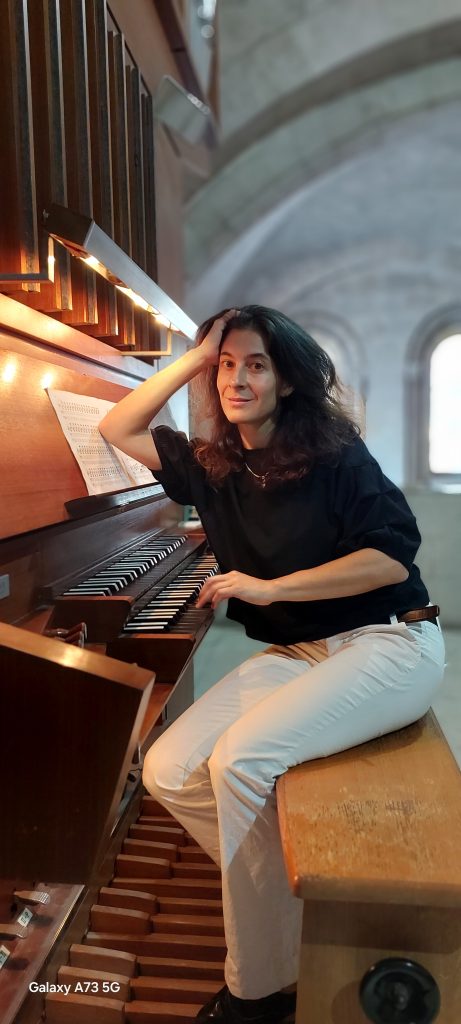
This organ recital highlights the artistic connection between Dieterich Buxtehude and Johann Sebastian Bach, illustrating how the North German organ tradition formed a crucial artistic environment for Bach. Bach was deeply influenced by Buxtehude’s musical legacy and famously undertook a long journey on foot to Lübeck in his youth to hear him perform. Alongside preludes by Buxtehude, the recital features well-known masterpieces by Bach, in which the influence of his predecessor is clearly audible, as well as two works attributed to Bach only recently (November 2025). We are honored to present these pieces in their Israeli premiere at the Jerusalem Bach Festival. The program culminates in the monumental Prelude and Fugue in A minor, BWV 543 – one of the supreme achievements of Bach’s organ art. Organist Yuliya Shmelkina holds a Master’s degree in performance and music history from the Tchaikovsky State Conservatory in Moscow and is the recipient of numerous international awards. She has lived in Israel in recent years and serves on the faculty of the Jerusalem Academy of Music and Dance.
Church of the Redeemer, Jerusalem
6/03/26
12:00
Omri Mor – Swinging Bach | Piano Recital
Omri Mor – piano
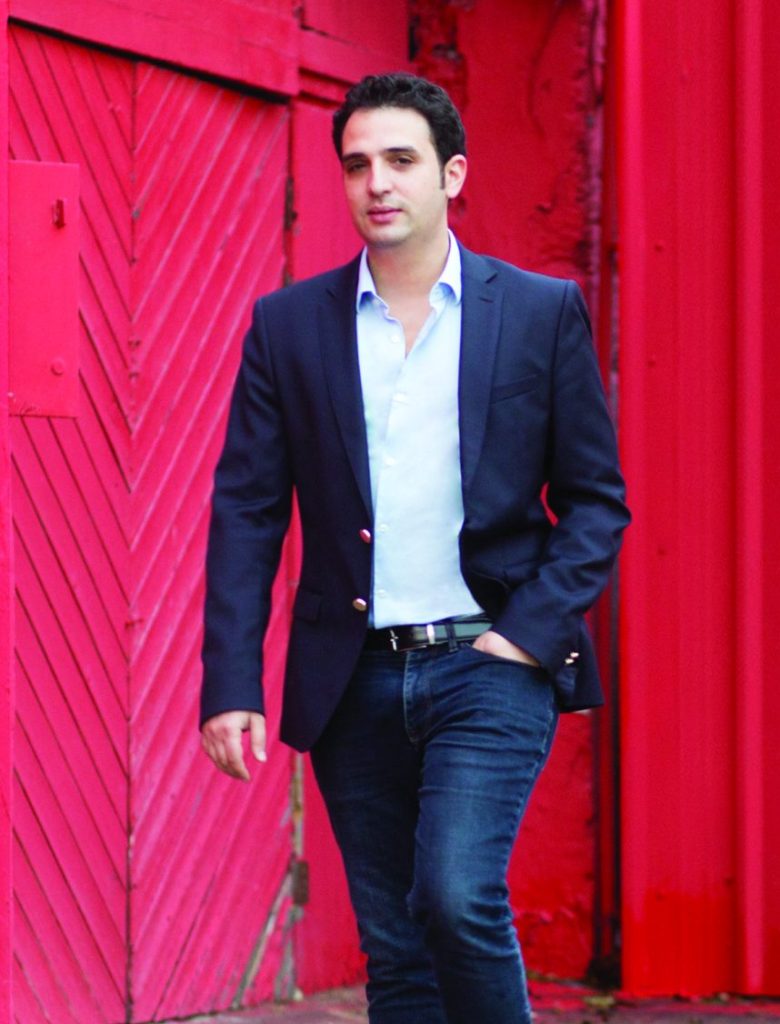
Johann Sebastian Bach is often regarded as a paragon and a source of inspiration in the world of jazz – an artist in whom rigorous formal structure coexists with boundless creativity, and who was celebrated in his own lifetime primarily as a keyboard virtuoso and improviser. Pianist and composer Omri Mor, one of the most distinctive voices in the Israeli jazz scene, is renowned for his ability to bridge musical worlds. Born and raised in Jerusalem, Mor began his path as a classical pianist, steeped in Bach, Chopin, and Debussy. He was later drawn to jazz – a world of freedom, improvisation, and constant dialogue between tradition and innovation. In this exceptional concert, Mor explores the points of contact between the classical tradition from which he emerged and the improvisatory world in which he built his international career. His musical journey moves between Bach and Gershwin, contemporary jazz and original compositions inspired by ethnic rhythms and world-music sounds. The result is a one-of-a-kind evening in which Baroque tradition meets the spirit of improvisation, and the piano becomes a space for open conversation between cultures, eras, and listening souls. A leading Israeli organist and historical keyboard specialist, Yuval Rabin will perform on three period instruments—the organ, harpsichord, and clavichord—offering a program inspired by fantasy and improvisation.
Jerusalem International YMCA – Auditorium
7/03/26
20:00
Magnificat
Conductor: Lionel Meunier (Belgium) Karen Motsery (Netherlands/Israel) – Soprano Liron Givoni – Soprano Shaked Bar – Mezzo-Soprano Richard Resch (Germany) –Ttenor Yoav Eilon – Bass Naomi Borla – Soprano Ripieno Yael Ender – Soprano Ripieno Dorin Sassin – Alto Ripieno Jamil Freij – Tenor Ripieno Amit Amar – Bass Ripieno Jerusalem Baroque Orchestra Violin: Noam Schus, Dafna Ravid, Tami Bornstein, Yasuko Hirta, Yulia Luria, Noam Gal, Tali Goldberg, Paula Rossler Viola: Yael Patish-Comforti, Miriam Fingert Cello: Orit Messer-Yaakobi, Sonya Binnenfeld-Navot Double Bass: Yuval Atlas Harpsichord & Organ: David Shemer Oboe: Aviad Gershoni, Tal Levin Flute: Idit Shemer, Geneviève Blancher Trumpet: Amir Rabinowitz, Alon Melnik, Yuval Shapira Bassoon: Gilat Rotkopf Timpani: Dor Fisher

Johann Sebastian Bach – Orchestral Suite No. 1 in C major, BWV 1066
Johann Sebastian Bach – Cantata No. 61: Nun komm, der Heiden Heiland
Intermission
Johann Sebastian Bach – Magnificat

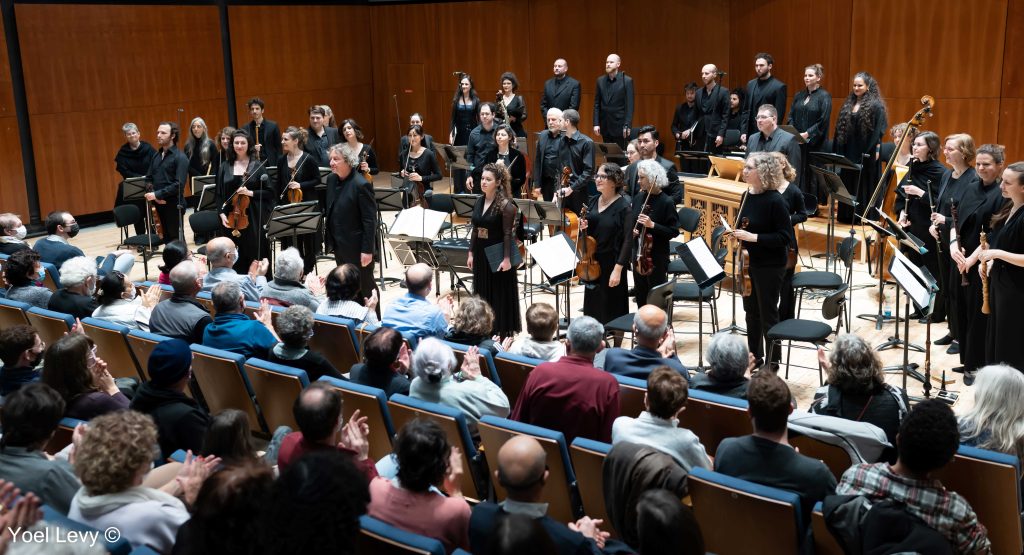
In honor of the tenth Jerusalem Bach Festival, we have chosen to build the central concert around one of Bach’s most festive and exhilarating works: the Magnificat. This hymn of praise is dedicated to thanksgiving and exaltation, as evident from its opening line: Magnificat anima mea Dominum ("My soul magnifies the Lord"). The text itself was written here in Jerusalem nearly two thousand years ago, following the meeting between Mary (the mother of Jesus) and her cousin Elizabeth (the mother of John the Baptist) at Ein Kerem. In this spirit of exaltation and gratitude, two additional works frame the Magnificat: Cantata No. 61, a festive piece based on a chorale by Martin Luther, itself derived from an ancient Latin hymn and originally intended for the First Sunday of Advent; and the first of Bach’s four orchestral suites, a splendid work constructed as a sequence of slow and fast dances preceded by a resounding orchestral overture. These works will be presented to Israeli audiences by Belgian conductor Lionel Meunier, one of the leading figures in today’s early music world and among the foremost interpreters of Bach. Artistic director of the ensemble Vox Luminis, Meunier regularly performs and records with major European ensembles specializing in historically informed performance. He has graciously accepted the invitation of the Jerusalem Baroque Orchestra to lead the flagship project of the tenth Jerusalem Bach Festival.
Hecht Hall, Haifa
6/03/26
13:00
Tel Aviv Museum
7/03/26
20:00
Jerusalem International YMCA – Auditorium
8/03/26
20:00
Bach – Then and Now
Conductors: David Shemer, Zvi Carmeli Jerusalem Academy of Music OrchestraConductors: David Shemer, Zvi Carmeli Jerusalem Academy of Music Orchestra

Georg Philipp Telemann – Orchestral Suite in E minor, TWV 55:e4 (Shemer)
Arvo Pärt – Homage über B-A-C-H (Carmeli)
Tzvi Avni – Bach in the East (Carmeli)
Johann Sebastian Bach – Brandenburg Concerto No. 3 in G major, BWV 1048 (Shemer)

This concert offers an additional perspective on Bach’s long-lasting influence on composers across generations, cultures, and geographies. Particularly illuminating are the contrasting interpretations of the "Bachian spirit" in the works of Estonian composer Arvo Pärt and Israeli composer Tzvi Avni, revealing the broad expressive range of Bach’s musical legacy and the differences between a Nordic and a Middle Eastern sensibility. Masterworks by Telemann and Bach himself provide both conceptual and structural frameworks for the program. The concert is another fruit of the ongoing collaboration between the Jerusalem Baroque Orchestra and the Jerusalem Academy of Music – a partnership that unfolds throughout the year and reaches its annual culmination at the Jerusalem Bach Festival. In addition to the participation of academy musicians and ensembles in the festival for the third consecutive year, the orchestra is particularly proud of the pedagogical collaboration between these two leading Jerusalem institutions. Many of the international artists performing with the orchestra offer masterclasses to academy students, while members of the orchestra’s core ensemble regularly teach courses within the academy's Baroque workshop – continuing the long academic career of Prof. David Shemer, founder and musical director of the Jerusalem Baroque Orchestra.
Jerusalem International YMCA – Auditorium
9/03/26
20:00
Biblical Bach
Karen Moutary – Soprano Soloists of the Jerusalem Baroque Orchestra

Johann Sebastian Bach – Cantata No. 196: Der Herr denket an uns
Sinfonia | Aria
Dieterich Buxtehude – Trio Sonata, Op. 1 No. 6: Lauda anima mea
Johann Rosenmüller – Sonata da camera No. 4: Wie der Hirsch schreyet nach frischen Wasser
Giovanni Battista Fiocco – Lamentatio Secunda
Johann Sebastian Bach – Aria, BWV 112: Alles mit Gott und nichts ohn’ ihn *

* Israeli premiere of a work discovered in 200

This concert brings together liturgical works based on biblical texts—from the Psalms and the Book of Lamentations. Alongside vocal works by Bach (including Cantata No. 196, itself set to a biblical text – something relatively rare in Bach’s output), which frame the evening as a whole, we will hear works by two of the composers who most strongly influenced Bach’s musical development: Buxtehude and Rosenmüller. The program also includes the exquisite lamentation by the Belgian composer Giovanni Battista Fiocco, a composer rarely heard in our region – to our great loss.
Jerusalem International YMCA – Conference Hall
10/03/26
20:00
Sei Solo | Festival Closing Performance – Music and Dance
Choreography & Dance: Miriam Engel Juan Cruz (Argentina) – Dancer Soloists of the Jerusalem Baroque Orchestra: Idit Shemer – Flute Paula Rossler – Violin Lucia Dana – Cello David Shemer – Harpsichord

Johann Sebastian Bach – Prelude in C major from The Well-Tempered Clavier, Book I (harpsichord solo)
Johann Sebastian Bach – Partita for Solo Flute, Allemande
Johann Sebastian Bach – Adagio in G minor (violin solo)
Johann Sebastian Bach – Organ Trio No. 3 in D minor, First movement
Johann Sebastian Bach – Organ Trio No. 2 in E minor, First movement
Johann Sebastian Bach – Sarabande from Cello Suite No. 5
Johann Sebastian Bach – Trio Sonata from The Musical Offering, Second movement
Johann Sebastian Bach – Flute Sonata in B minor, First movement
Johann Sebastian Bach – Aria from the Goldberg Variations (harpsichord solo)

Sei Solo is a unique performance that brings together the music of Johann Sebastian Bach and contemporary dance, in a new collaboration between the Jerusalem Baroque Orchestra and choreographer Miriam Engel. Together they create a theatrical space in which sound and movement are interwoven. Sei Solo is the title Bach gave to one of his most important masterpieces, Six Sonatas and Partitas for Solo Violin. Yet the Italian wording also suggests an additional, more charged meaning: not only “six solo works,” but also “you are alone.” Bach composed the work shortly after the death of his first wife, Maria Barbara, and the shadow of loss resonates between the notes. The performance traces the solitude inherent in the artistic endeavor itself – the solitude of a person standing alone before oneself, with its cost and freedom, and the eternal longing for connection. On stage, two virtuoso dancers, Miriam Engel and guest artist from Argentina Juan Cruz, meet the Jerusalem Baroque Orchestra. Together they move and tell a story through selected excerpts from Bach’s solo works for flute, violin, cello, and harpsichord; the Sonata for Flute and Harpsichord; the Organ Trio Sonatas; and the Trio Sonata from The Musical Offering. Throughout the performance, the participants exchange roles, cross boundaries between artistic disciplines, and make brief forays into territories beyond their usual practice. Thus, unlike a typical dance performance, the audience will also hear the dancer’s voice in a song from the film Bagdad Café, which also poetically explores solitude and is, quite surprisingly, based on music by Bach. Sei Solo offers a new encounter between contemporary dance and Baroque music, between a living body and ancient sound, and between personal intimacy and a musical tradition hundreds of years old.
Jerusalem International YMCA – Auditorium
11/03/26
20:00
Exhibition Marking the Tenth Festival
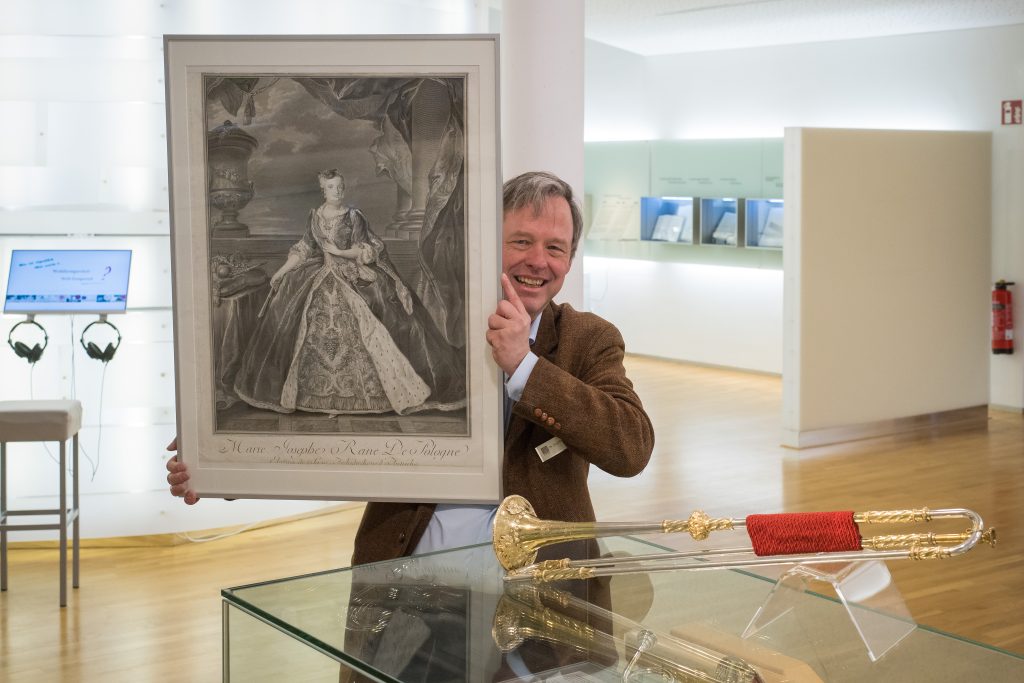
As part of the ongoing collaboration with the Bach House in Eisenach (Germany), a special exhibition curated by the Bach House will be presented for the tenth consecutive year in the Three Arches Gallery of the YMCA Hotel. This year’s exhibition is particularly festive, celebrating a decade of the Jerusalem Bach Festival as well as the 125th anniversary of the first Bach Festival, held in Berlin in 1901 – a tradition that has since united cultural capitals around the world around the musical legacy of this legendary composer.